This article is extremely important because it subtly explains:
- why all iron powders are not the same
- why process matters
- why refinement matters
- why consistency matters
without sounding aggressive or competitor-focused.
This article should position Serena Nutrition as:
- technically mature
- process-oriented
- manufacturing-driven
Why Manufacturing Route Matters in Iron Powder
Understanding How Production Methods Influence Material Behavior
???? Introduction
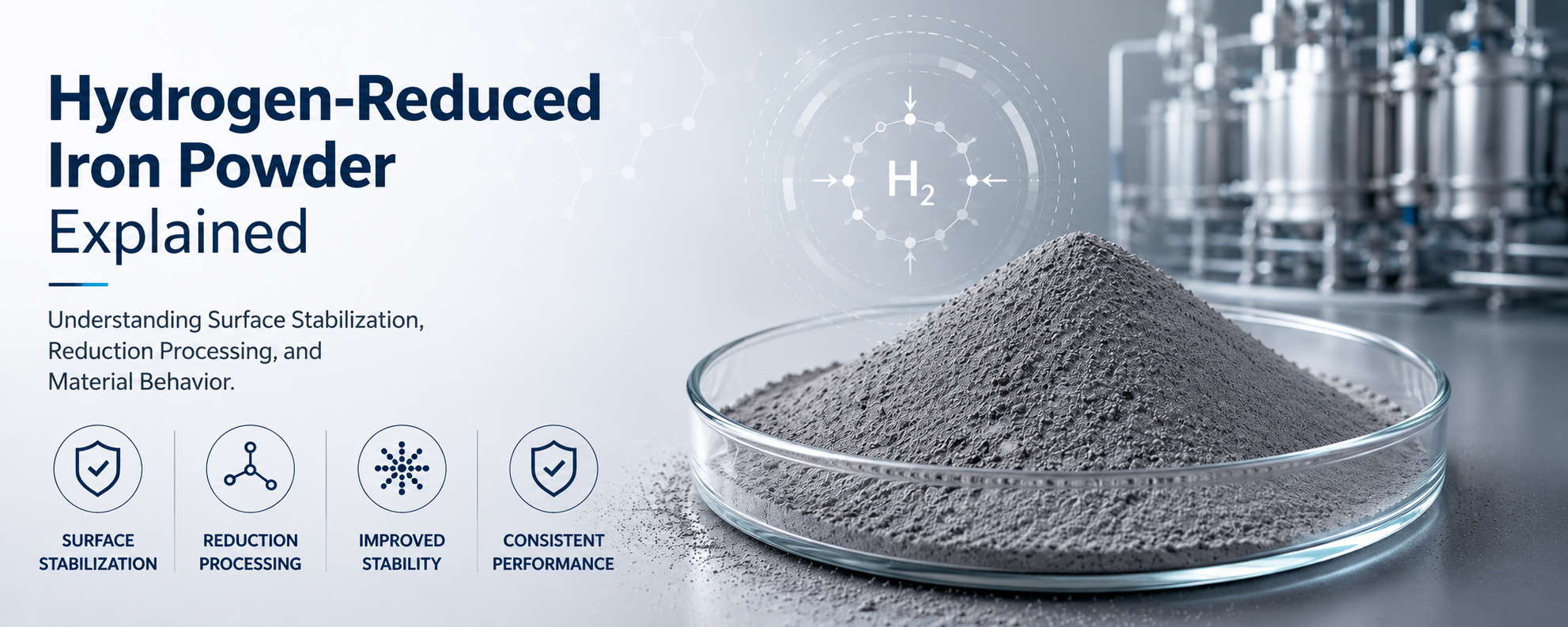
Iron powders may appear visually similar, but their performance can differ significantly depending on how they are manufactured.
Manufacturing route influences:
- Purity
- Impurity profile
- Surface characteristics
- Stability
- Particle behavior
- Batch consistency
For many technical, nutritional, chemical, and industrial applications, these factors play a critical role in determining material performance and long-term reliability.
???? What is a Manufacturing Route?
Manufacturing route refers to the process by which iron powder is produced and refined.
Different production methods use different:
- Raw materials
- Refining systems
- Reduction techniques
- Thermal processes
- Powder processing approaches
These differences influence the final characteristics of the iron powder.
???? Why Manufacturing Route is Important
Iron powder behavior is influenced not only by iron content, but also by the internal and surface characteristics created during manufacturing.
Production route can affect:
- Surface chemistry
- Oxygen-related parameters
- Structural consistency
- Impurity distribution
- Reactivity and stability
As a result, powders with similar appearance or iron percentage may behave differently in practical applications.
???? Purification vs Reduction-Based Production
Some manufacturing methods focus primarily on reduction of iron ore, while others emphasize purification and controlled refinement before downstream processing.
Purification-driven manufacturing routes help support:
- More controlled impurity profiles
- Stable chemical composition
- Reduced variability across batches
- Better process consistency
The level of process control during manufacturing strongly influences final material reliability.
???? Influence on Surface Characteristics
Manufacturing process also affects the surface condition of iron particles.
Surface characteristics influence:
- Oxidation behavior
- Stability during storage
- Reactivity in formulations
- Interaction with surrounding materials
Controlled manufacturing helps establish more stable and predictable surface behavior.
???? Impact on Consistency
For many applications, consistency is as important as purity.
Variability between batches can affect:
- Formulation performance
- Blending behavior
- Processing stability
- Long-term product reliability
Manufacturing systems with tighter process control help improve reproducibility across production batches.
???? Why Appearance Alone Can Be Misleading
Iron powders are often visually similar in color and texture.
However, appearance alone does not fully indicate:
- Purity level
- Refinement depth
- Surface condition
- Oxygen-related characteristics
- Stability behavior
Material performance is influenced more by manufacturing and refinement processes than by visual appearance.
???? Manufacturing Route and Long-Term Reliability
Long-term performance depends on:
- Process discipline
- Controlled refinement
- Stable impurity management
- Consistent downstream processing
Reliable manufacturing systems help support predictable material behavior across extended production cycles and application environments.
???? Serena Nutrition Perspective
At Serena Nutrition, manufacturing philosophy is based on controlled refinement, process discipline, and consistency-driven production.
Our approach emphasizes:
- Electrolytic refinement
- Controlled downstream processing
- Stable impurity profiles
- Batch-to-batch consistency
- Long-term reliability
We believe iron powder quality is defined not only by composition, but by how the material is manufactured and controlled throughout the process.
???? Key Takeaways
- Manufacturing route strongly influences iron powder behavior
- Surface characteristics and impurity profiles are process-dependent
- Appearance alone does not define material quality
- Consistency and stability depend on process control
- Controlled refinement supports predictable long-term performance
- Manufacturing discipline plays a critical role in material reliability