Iron powder performance is fundamentally defined by how it is manufactured. While different iron powders may appear similar, their behavior in food, nutritional, and industrial applications depends on factors such as refinement method, impurity control, particle characteristics, and surface condition.
Understanding these technical aspects is essential for selecting the right material and ensuring consistent performance across applications.
This section provides insights into manufacturing methods, process differences, and material characteristics that influence iron powder quality and reliability.

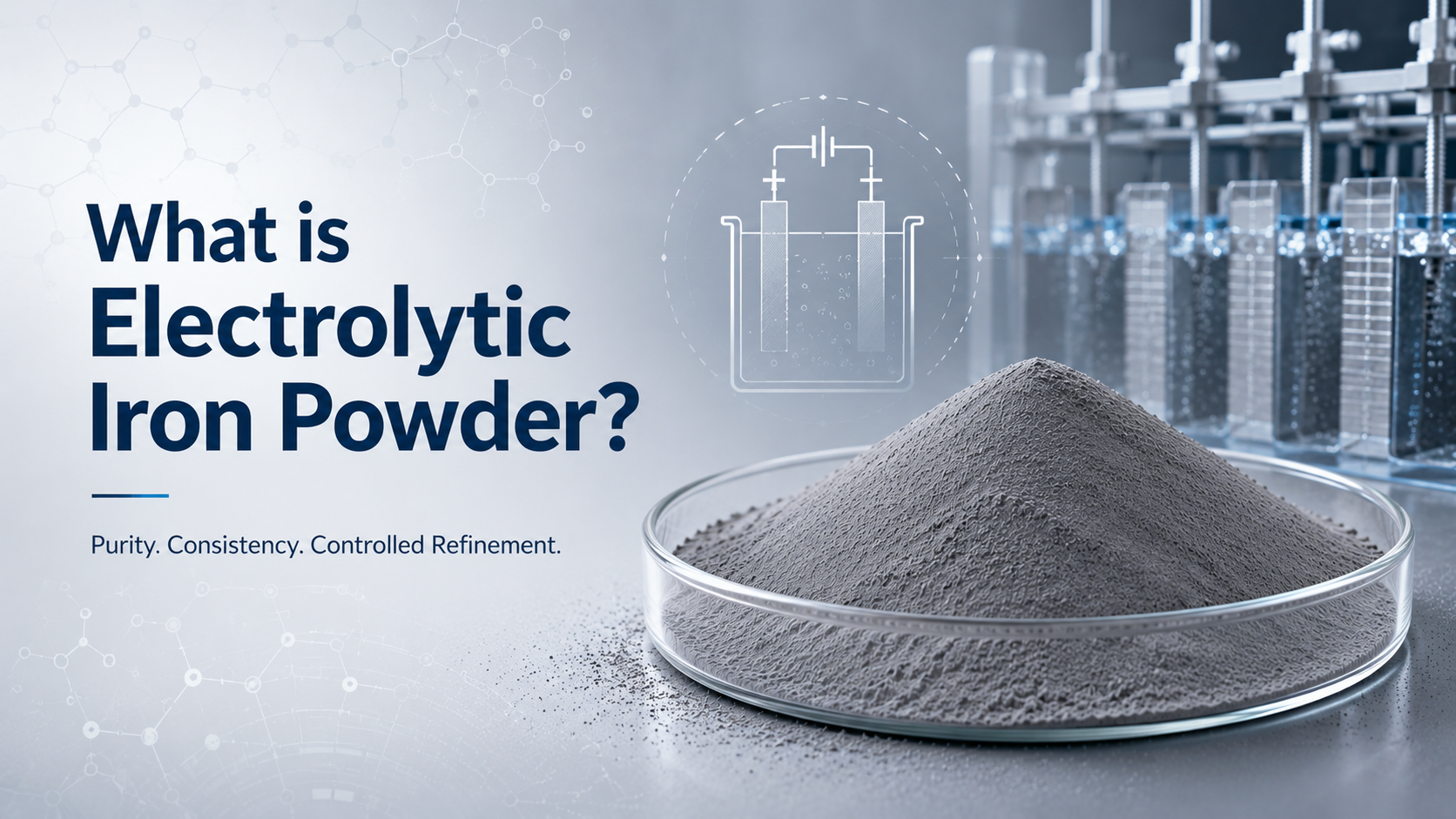
Understanding the Manufacturing Process, Purity, and Material Characteristics ???? Introduction Electrolytic iron powder is a high-purity form of iron produced through an electrochemical refining process known as electrolytic refinement. Unlike conventional ore-based reduction methods, electrolytic refinement separates iron from impurities at a fundamental level, resulting in iron powder with controlled
Read More »

This article is extremely important because it subtly explains: why all iron powders are not the same  why process matters  why refinement matters  why consistency matters  without sounding aggressive or competitor-focused. This article should position Serena Nutrition as: technically mature  process-oriented  manufacturing-driven    Why Manufacturing Route Matters in Iron Powder

Read More »

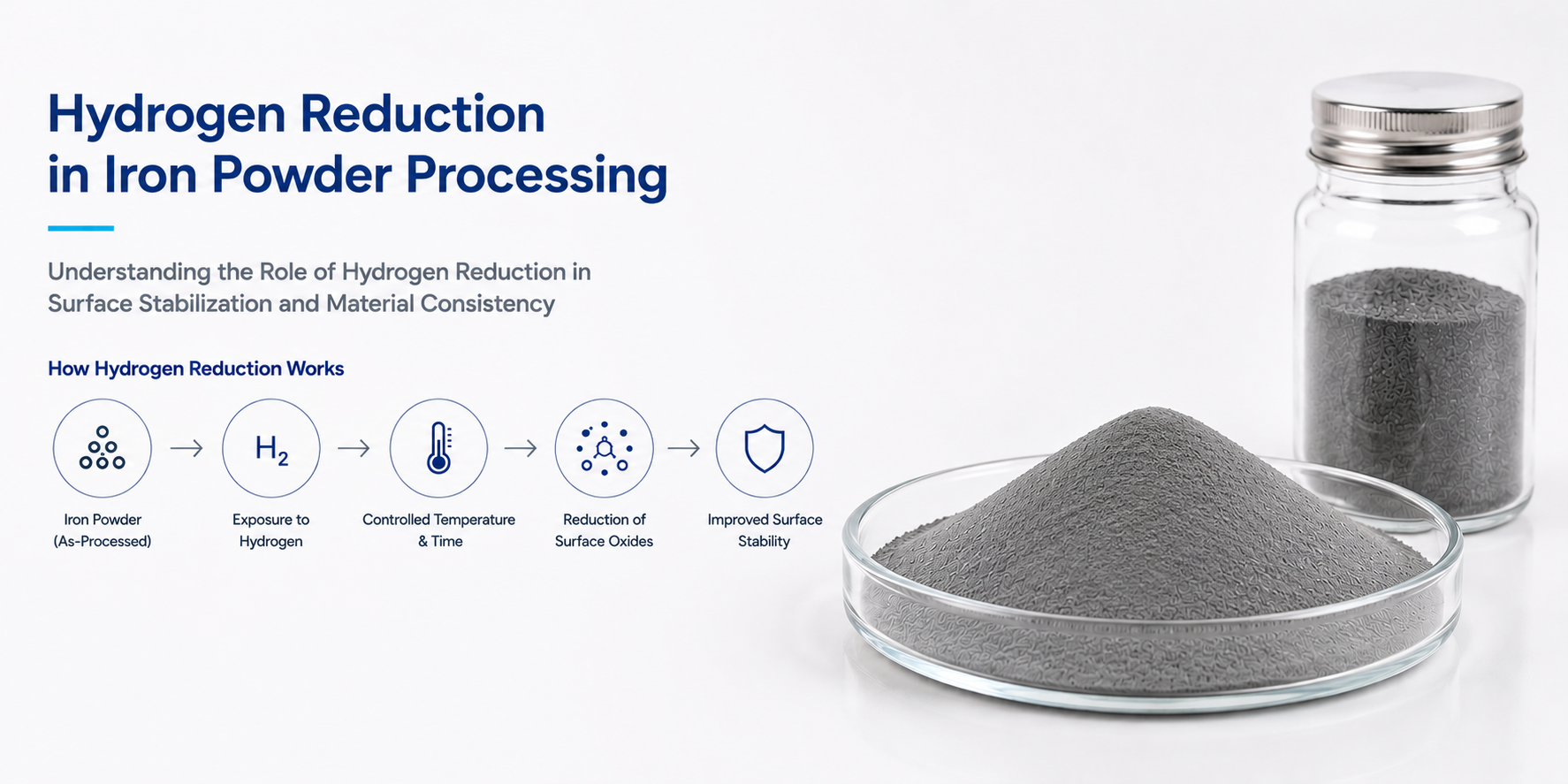
Understanding Surface Stabilization, Reduction Processing, and Material Behavior ???? Introduction Hydrogen-reduced iron powder is produced by applying a controlled hydrogen reduction process to refined iron powder under elevated temperature conditions. This process is used to improve surface condition, reduce residual surface oxides, and enhance material stability and consistency. Hydrogen reduction

Read More »

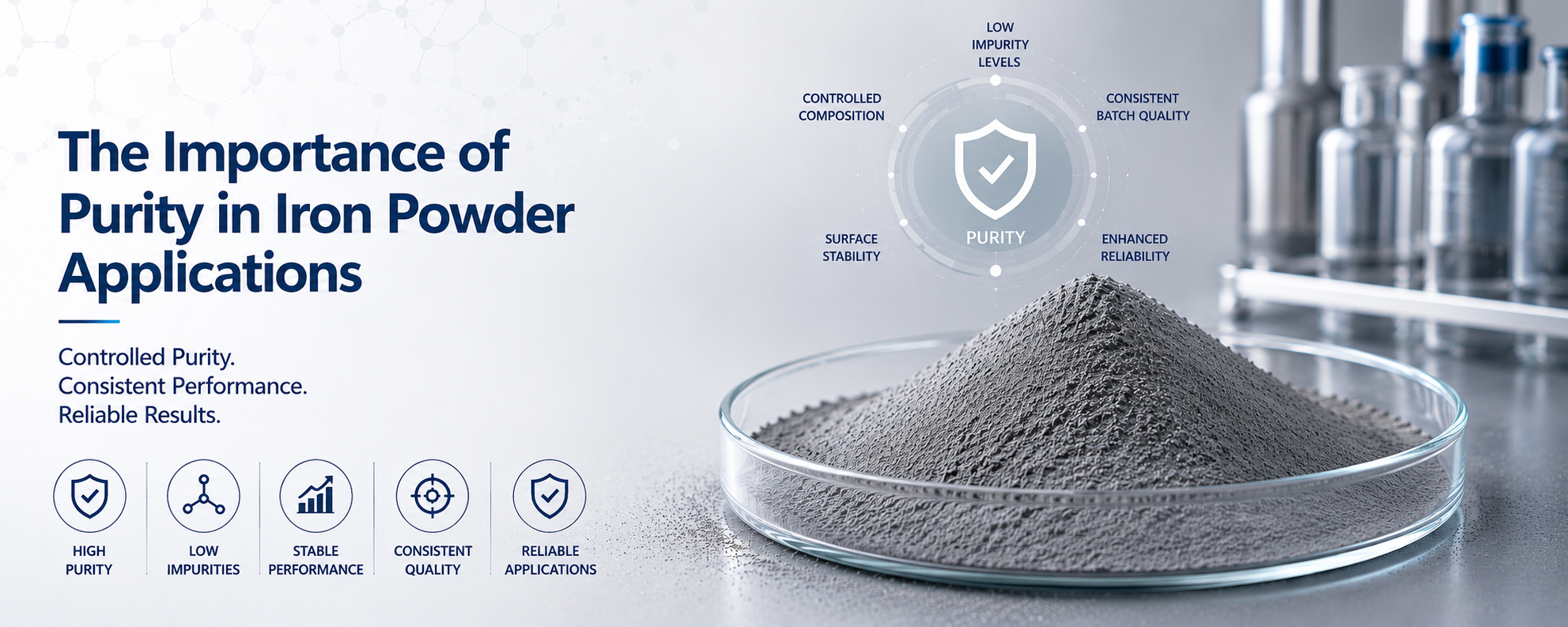
Understanding Why Controlled Purity Influences Material Performance ???? Introduction Purity is one of the most important characteristics influencing the behavior and reliability of iron powder across technical, nutritional, chemical, and industrial applications. While iron content is commonly referenced, material performance is influenced not only by total iron percentage, but also

Read More »

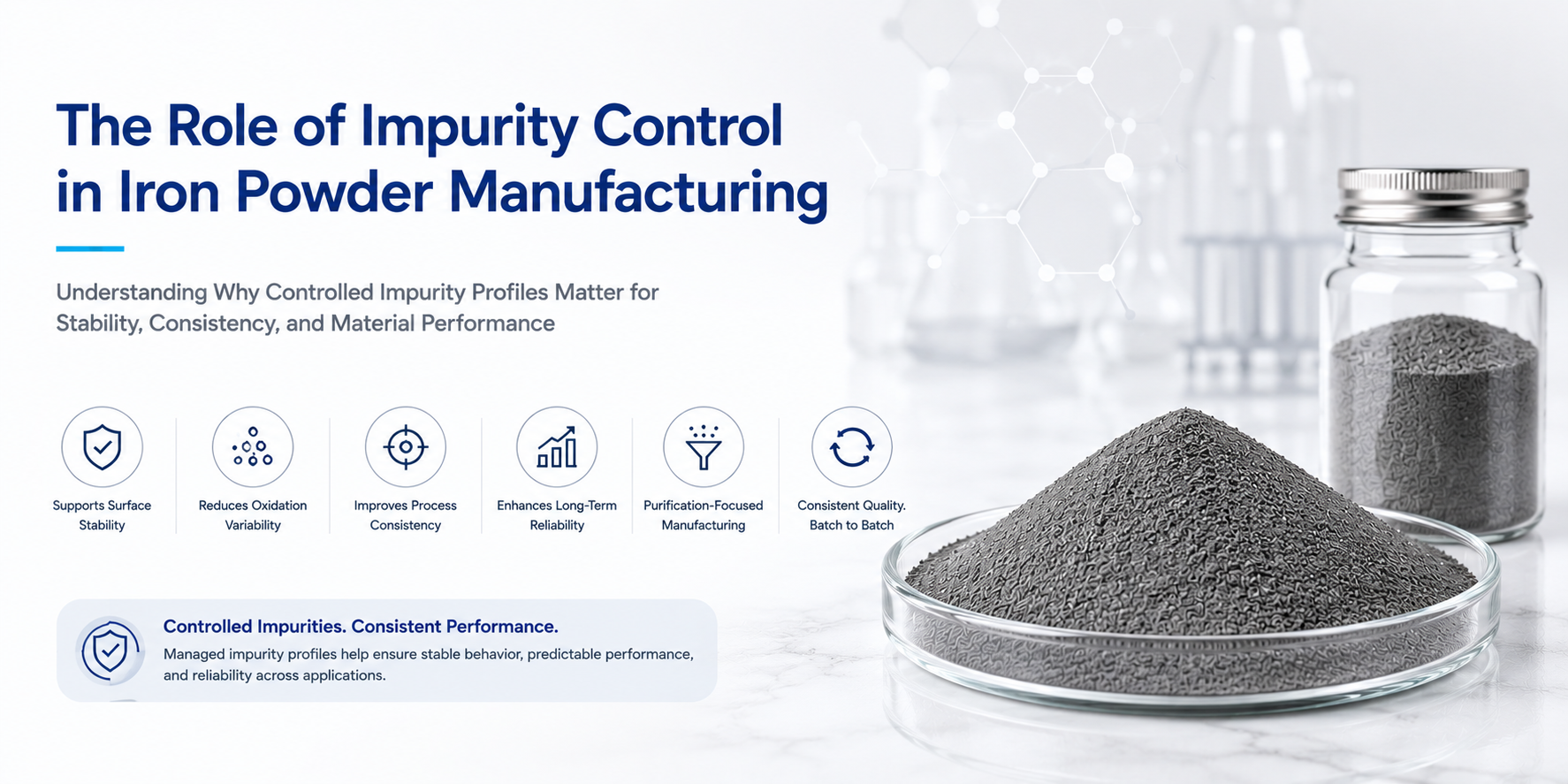
Understanding How Impurity Management Influences Stability, Consistency, and Material Behavior ???? Introduction Impurity control plays a critical role in determining the behavior, stability, and consistency of iron powder across technical, nutritional, chemical, and industrial applications. Even when iron content appears similar, differences in impurity profile can significantly influence: Surface behavior 

Read More »

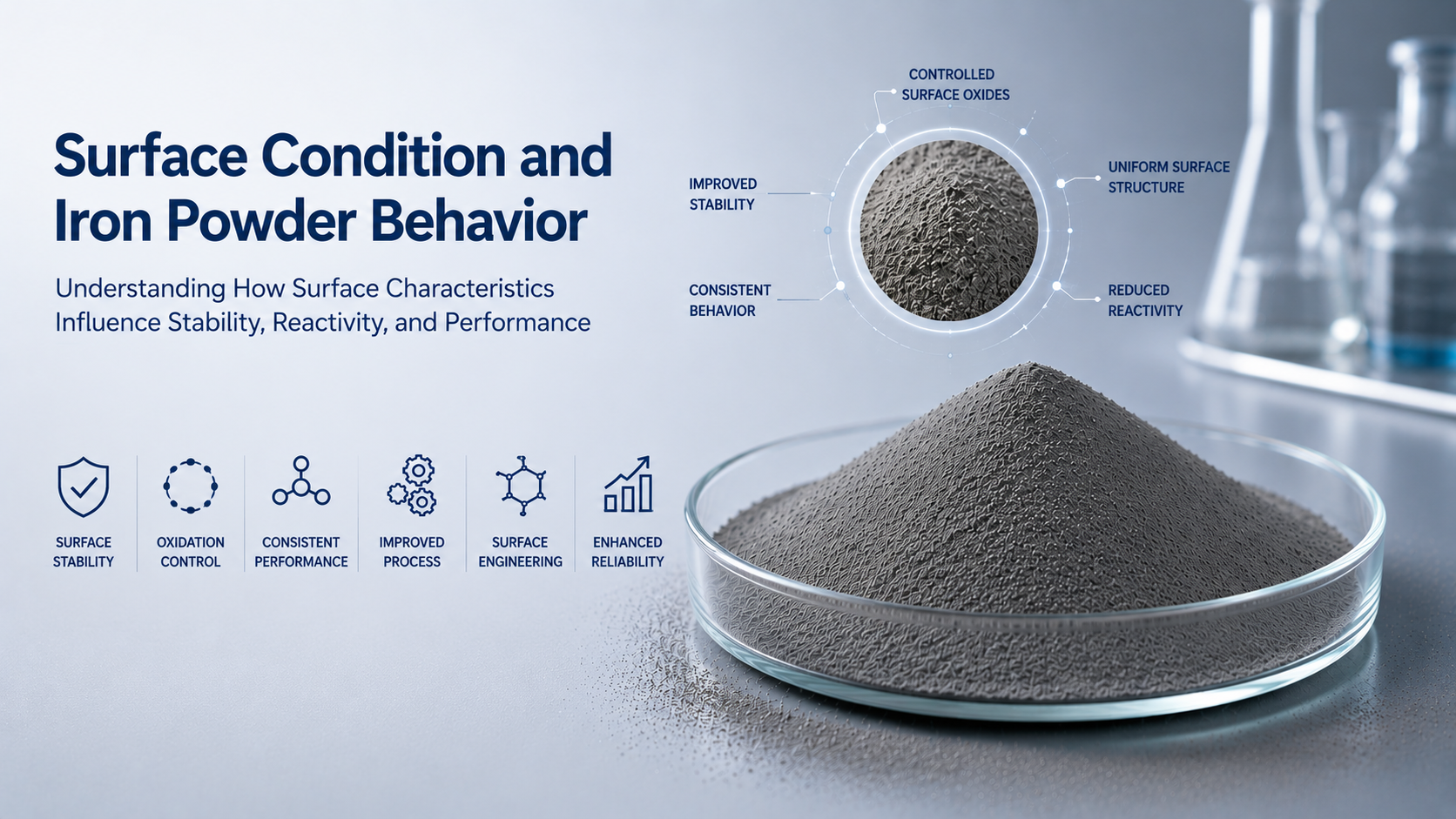
Understanding How Surface Characteristics Influence Stability, Reactivity, and Performance ???? Introduction The surface condition of iron powder plays a major role in determining how the material behaves during storage, processing, and application. Even when iron powders have similar composition, differences in surface characteristics can influence: Reactivity  Oxidation behaviour  Stability  Processing

Read More »

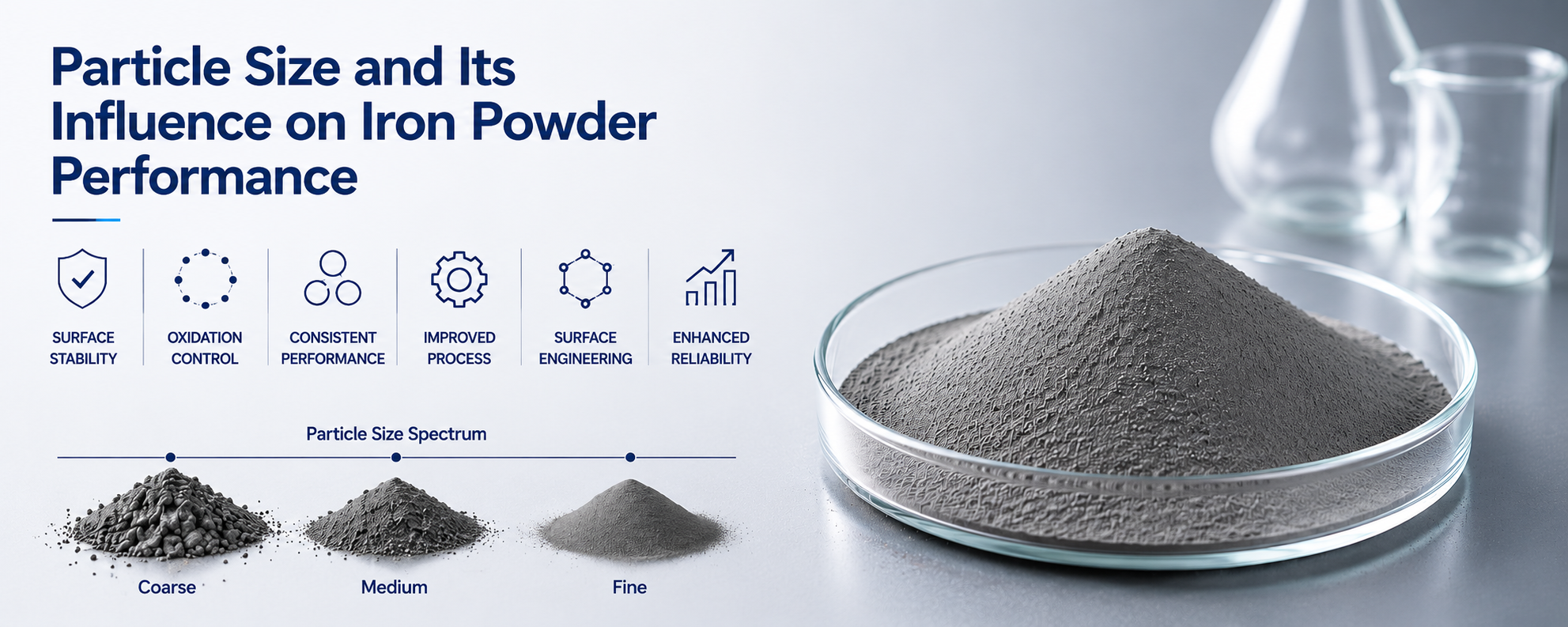
Understanding How Particle Characteristics Affect Stability, Processing, and Material Behavior ???? Introduction Particle size is one of the fundamental characteristics influencing the behavior and performance of iron powder across technical, nutritional, chemical, and industrial applications. Differences in particle size can affect: Surface area  Flow behavior  Blending consistency  Reactivity  Stability  Processing

Read More »

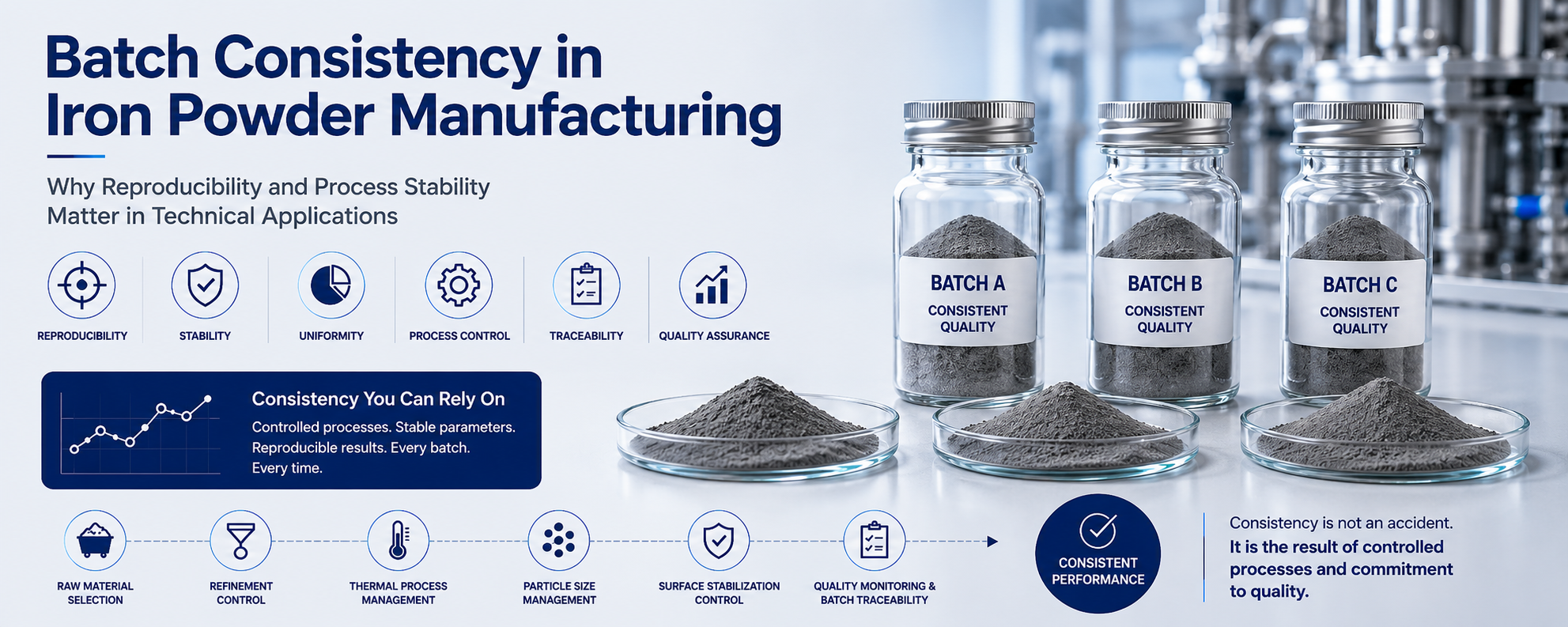
Why Reproducibility and Process Stability Matter in Technical Applications ???? Introduction Batch consistency is one of the most important requirements in iron powder manufacturing, especially for applications where reliable and predictable performance is essential. Even small variations between production batches can influence: Processing behavior  Stability  Surface characteristics  Blending consistency  Long-term

Read More »

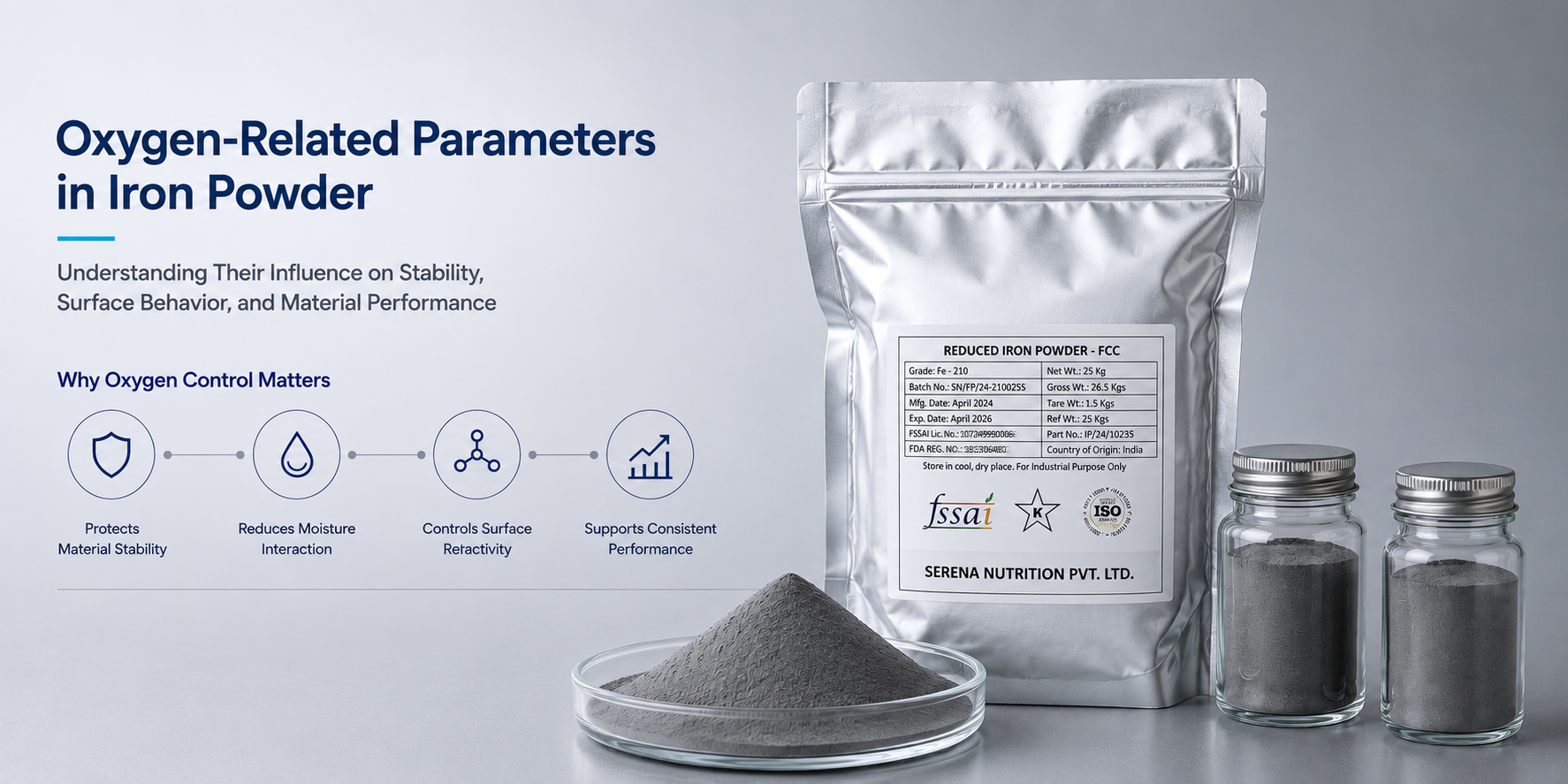
Understanding Their Influence on Stability, Surface Behavior, and Material Performance ???? Introduction Oxygen-related parameters play an important role in determining the behavior and stability of iron powder across technical, nutritional, chemical, and industrial applications. The interaction between iron and oxygen influences: Surface condition  Oxidation behavior  Stability during storage  Reactivity  Long-term

Read More »

Understanding Controlled Surface Stabilization in Iron Powder Processing   ???? Introduction Hydrogen reduction is widely used as a controlled downstream stabilization process in iron powder manufacturing. Rather than functioning as a simple visual or compositional modification step, controlled hydrogen reduction primarily influences: Surface condition  Residual surface oxides  Oxygen-related characteristics  Structural

Read More »