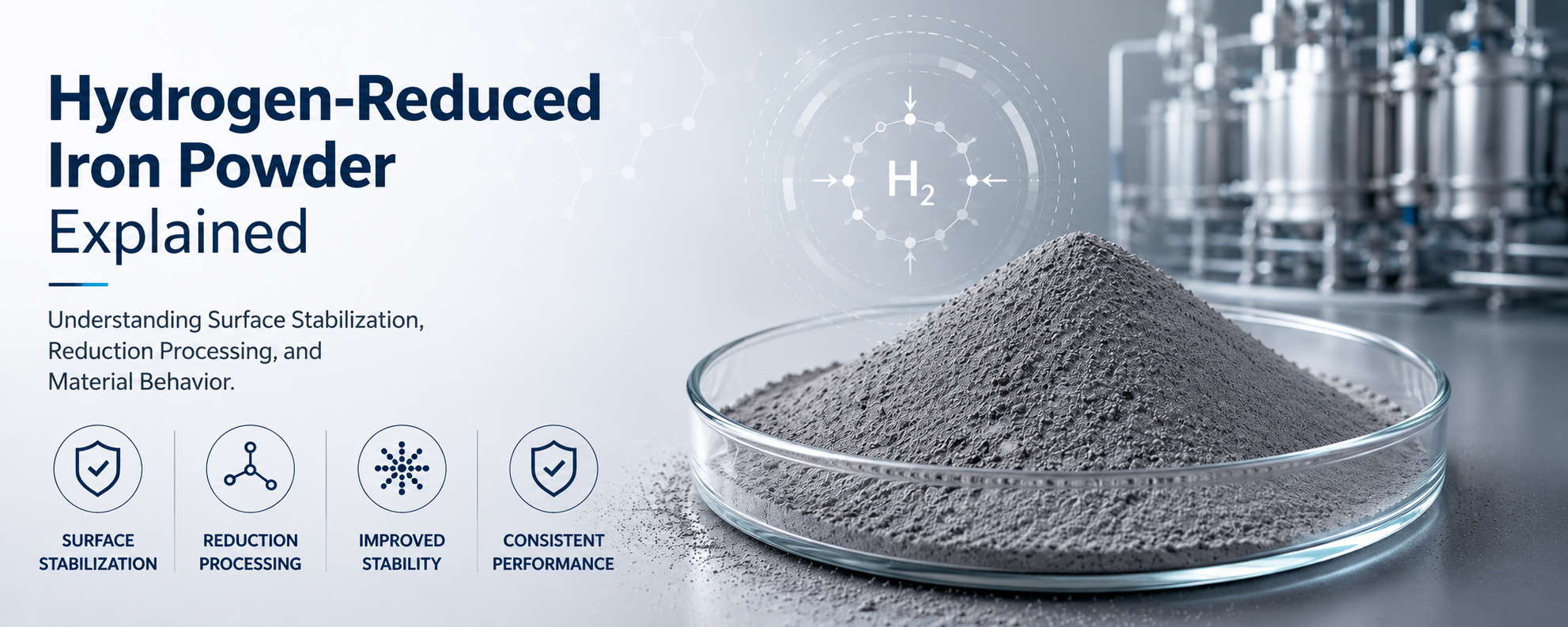
Understanding Ingredient Interactions in Nutritional Systems
???? Introduction
Modern supplement formulations often combine multiple vitamins, minerals, and functional ingredients within a single product system.
Because these ingredients coexist within the same formulation environment, compatibility becomes an important technical consideration in nutritional product development.
Mineral compatibility may influence:
- Formulation stability
- Nutrient consistency
- Product quality
- Shelf-life performance
- Manufacturing reliability
- Sensory characteristics
Iron-containing supplement systems are therefore commonly evaluated for compatibility with surrounding ingredients and formulation environments.
Reliable ingredient systems help support more dependable nutritional products.
???? What Is Mineral Compatibility?
Mineral compatibility refers to how minerals and nutritional ingredients behave together within formulation systems.
Compatibility-related considerations may include:
- Ingredient interaction
- Stability behavior
- Moisture sensitivity
- Oxidation control
- Storage performance
- Premix consistency
Different formulation systems may behave differently depending on:
- Product format
- Ingredient composition
- Processing conditions
- Packaging environments
- Storage conditions
Reliable compatibility helps support stable nutritional formulations.
???? Role of Iron in Multi-Ingredient Systems
Iron is commonly incorporated into:
- Dietary supplements
- Multivitamin systems
- Nutritional powders
- Wellness products
- Micronutrient blends
- Functional nutrition formulations
Its behavior within formulations may be influenced by:
- Nutrient interaction
- Ingredient stability
- Particle characteristics
- Environmental exposure
- Manufacturing systems
Controlled ingredient systems help support more dependable supplement formulations.
???? Stability Considerations in Compatibility Systems
Nutritional products may encounter varying environmental conditions during manufacturing, transportation, storage, and shelf-life handling.
These conditions may influence:
- Product consistency
- Nutritional reliability
- Formulation stability
- Shelf-life performance
- Ingredient interaction
Stable ingredient systems help support dependable nutritional formulations across different storage environments.
???? Particle Characteristics and Formulation Behavior
Particle size and particle distribution may influence:
- Blending efficiency
- Ingredient dispersion
- Flow behavior
- Premix consistency
- Manufacturing reliability
Controlled particle systems help support:
- Uniform nutrient distribution
- Stable formulation behavior
- Reliable manufacturing performance
Particle engineering is therefore closely connected to compatibility performance in nutritional systems.
???? Premix Systems and Ingredient Interaction
Many supplement products use vitamin and mineral premixes before final product manufacturing.
Premix systems help support:
- Controlled nutrient dosing
- Uniform ingredient distribution
- Manufacturing efficiency
- Product consistency
Premix compatibility is important because ingredient interaction may influence formulation stability during storage and processing.
Reliable premix systems help support more stable nutritional products.
???? Packaging and Storage Considerations
Packaging systems help protect supplement formulations from environmental exposure.
Packaging considerations may include:
- Moisture protection
- Oxygen control
- Storage durability
- Environmental stability
Reliable packaging helps support:
- Product consistency
- Shelf-life stability
- Formulation reliability
- Nutritional quality
Packaging and storage conditions are therefore closely connected to compatibility performance.
???? Sensory Considerations
Nutritional ingredients may influence:
- Taste behavior
- Product appearance
- Color stability
- Consumer acceptance
Supplement formulations are commonly designed to balance:
- Technical performance
- Stability requirements
- Sensory consistency
- Product quality expectations
Controlled ingredient systems help support more stable nutritional formulations.
???? Importance of Manufacturing Consistency
Reliable nutritional systems require ingredients manufactured with:
- Controlled impurity profiles
- Stable particle characteristics
- Reproducible manufacturing quality
- Reliable formulation behavior
Manufacturing route and process discipline may significantly influence ingredient compatibility within supplement systems.
???? Modern Supplement Product Systems
Compatibility-focused formulation systems are commonly used in:
- Dietary supplements
- Nutraceutical products
- Wellness-focused formulations
- Functional nutrition applications
- Nutritional premixes
As nutritional industries continue to evolve, formulation quality and ingredient compatibility remain important parts of dependable product development.
???? Serena Nutrition Perspective
At Serena Nutrition, we focus on producing high-purity iron powders for nutritional and food fortification applications with emphasis on consistency, stability, and formulation reliability.
Our manufacturing approach emphasizes:
- Controlled particle systems
- Stable impurity profiles
- Reliable formulation performance
- Food-grade process standards
We believe ingredient consistency and process discipline are important foundations of dependable nutritional systems.
???? Key Takeaways
- Mineral compatibility is important in multi-ingredient nutritional systems
- Compatibility influences formulation stability and product consistency
- Particle characteristics affect blending and manufacturing performance
- Premix systems require stable ingredient interaction
- Packaging and storage conditions influence formulation reliability
- Sensory consistency supports dependable product quality
- Controlled manufacturing helps support stable nutritional formulations