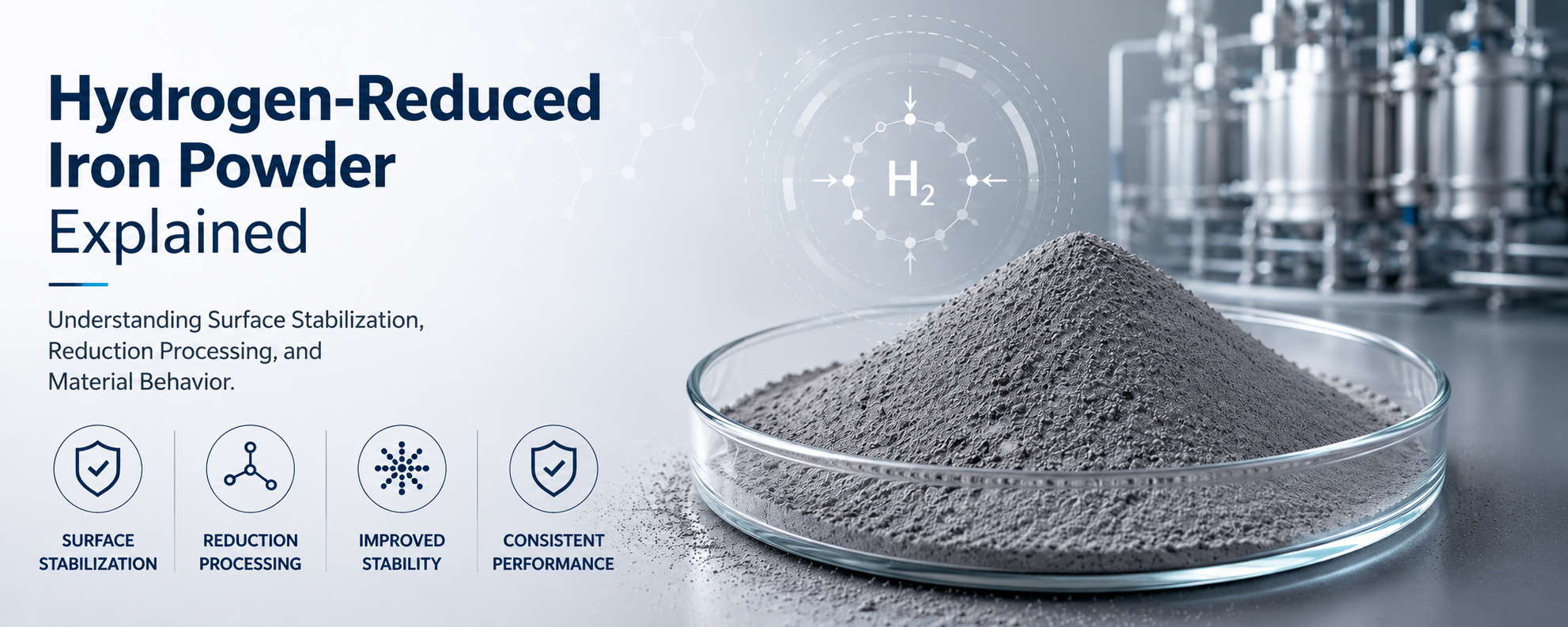
Understanding the Role of Iron Ingredients in Premix Systems
???? Introduction
Nutritional premixes are carefully formulated blends of vitamins, minerals, and functional ingredients designed for use in fortified foods, beverages, dietary supplements, and nutrition-focused products.
Iron is one of the most widely used micronutrients in premix systems due to its importance in food fortification and nutritional applications.
The performance of iron ingredients within premixes depends on multiple technical considerations, including:
- Stability
- Compatibility with other micronutrients
- Particle characteristics
- Flow behavior
- Storage consistency
- Formulation performance
For this reason, ingredient selection and manufacturing consistency are important aspects of reliable premix systems.
???? What Are Nutritional Premixes?
Nutritional premixes are concentrated ingredient systems developed to simplify the incorporation of micronutrients into food and nutrition products.
Premix systems may include:
- Iron
- Vitamins
- Minerals
- Trace elements
- Functional nutritional ingredients
These premixes are commonly used in:
- Fortified foods
- Wheat flour fortification
- Nutritional beverages
- Dietary supplements
- Public nutrition programs
- Specialized nutrition products
Premixes help support controlled nutrient distribution and formulation consistency across large-scale food manufacturing systems.
???? Why Iron is Important in Premix Systems
Iron is commonly incorporated into premix formulations used in:
- Food fortification programs
- Staple food enrichment
- Nutritional products
- Supplement systems
- Public health nutrition initiatives
Because iron ingredients may interact differently depending on formulation environment, ingredient selection is an important part of premix design.
???? Importance of Compatibility in Premix Formulations
Premix systems often contain multiple micronutrients within a single formulation.
Iron ingredients used in premixes are therefore evaluated for:
- Compatibility with vitamins and minerals
- Stability during storage
- Controlled interaction within formulations
- Uniform nutrient distribution
- Processing consistency
Ingredient compatibility helps support long-term formulation reliability and product consistency.
???? Role of Particle Characteristics
Particle size and particle distribution may influence:
- Ingredient blending
- Premix uniformity
- Flow behavior
- Dispersion consistency
- Storage performance
Controlled particle characteristics help support more stable and reproducible premix systems.
Manufacturing consistency is especially important in large-scale premix operations where uniform nutrient distribution is required.
???? Stability in Premix Systems
Premixes may be exposed to:
- Moisture
- Temperature variation
- Storage conditions
- Transportation environments
- Long-term shelf-life exposure
Ingredient stability helps support:
- Nutritional consistency
- Controlled formulation behavior
- Reliable product quality
- Reduced variability across batches
For this reason, stable and well-controlled ingredient systems are important in nutritional premix manufacturing.
???? Flow Behavior and Handling Performance
Flow characteristics are important in premix manufacturing and dosing systems.
Ingredient behavior may influence:
- Mixing efficiency
- Metering consistency
- Production handling
- Packaging performance
- Manufacturing reliability
Controlled particle systems and consistent manufacturing processes help support predictable handling behavior.
???? Sensory and Formulation Considerations
Iron ingredients used in premix systems are often evaluated for their influence on:
- Taste
- Color
- Stability within finished products
- Compatibility with fortified food applications
Food-grade iron powders designed for nutritional applications are commonly selected to help support formulation consistency while minimizing unwanted sensory effects.
???? Importance of Manufacturing Consistency
Reliable premix systems require ingredients with:
- Stable impurity profiles
- Controlled particle characteristics
- Reproducible manufacturing quality
- Reliable storage behavior
- Consistent formulation performance
Manufacturing route and process discipline may significantly influence ingredient behavior within premix systems.
???? Role of Premixes in Food Fortification
Premix manufacturers play an important role in global food fortification systems.
Premixes help support:
- Controlled nutrient delivery
- Large-scale food fortification
- Manufacturing efficiency
- Consistent formulation management
- Reliable fortified food production
Food manufacturers, ingredient suppliers, and nutrition-focused programs often rely on premix systems for efficient nutrient incorporation.
???? Serena Nutrition Perspective
At Serena Nutrition, we manufacture high-purity iron powders designed for food fortification and nutritional premix applications.
Our approach emphasizes:
- Controlled manufacturing systems
- Stable particle characteristics
- Consistent product quality
- Food-grade process standards
- Reliable formulation performance
We believe ingredient consistency, compatibility, and process discipline are important foundations of dependable premix systems.
???? Key Takeaways
- Nutritional premixes are concentrated vitamin and mineral ingredient systems
- Iron is widely used in food fortification and premix applications
- Compatibility and stability are important in premix formulations
- Particle characteristics influence blending and flow behavior
- Stable ingredient systems support reliable nutrient distribution
- Manufacturing consistency influences premix performance and storage behavior
- Controlled manufacturing helps support dependable premix applications