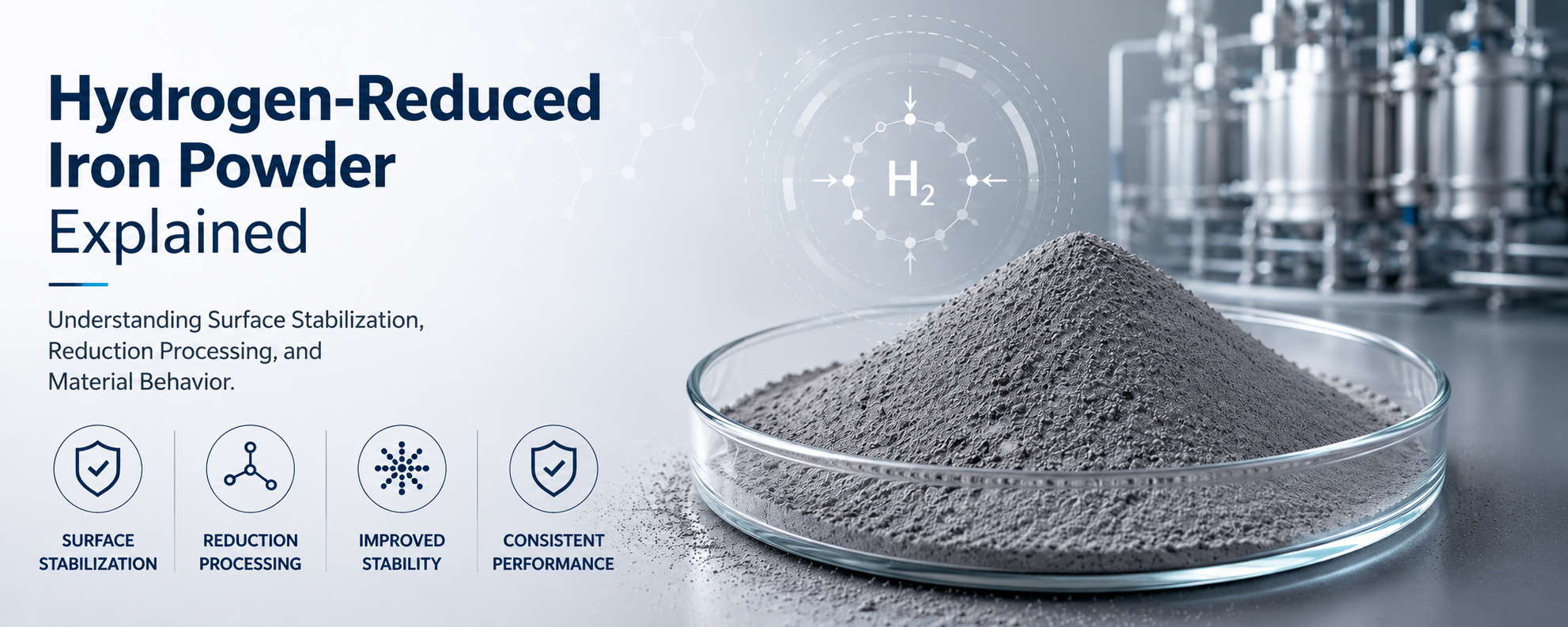
Understanding Surface Activity, Process Interaction & Industrial Reaction Systems
???? Introduction
Iron powders are used in various industrial systems where surface interaction, thermal behavior, and material stability play important roles in process performance.
In some industrial applications, iron powders function as catalytic or process-support materials due to their:
- Surface activity
- Particle structure
- Thermal compatibility
- Controlled reaction behavior
- Industrial scalability
The effectiveness of these systems often depends on:
- Particle characteristics
- Surface condition
- Purity profile
- Oxidation behavior
- Manufacturing consistency
As industrial processing technologies continue evolving, engineered iron powder systems are increasingly used in applications requiring:
- Controlled surface interaction
- Stable thermal environments
- Reliable process reproducibility
- Consistent industrial integration
???? What Are Catalytic Materials?
Catalytic materials are substances used to support or facilitate industrial reaction systems.
In industrial environments, catalytic systems may help influence:
- Reaction efficiency
- Surface interaction
- Thermal integration
- Process stability
- Manufacturing consistency
The effectiveness of catalytic systems often depends heavily on:
- Surface area
- Particle morphology
- Surface chemistry
- Thermal behavior
- Structural stability
Controlled material engineering therefore becomes important in catalytic applications.
???? Why Iron Powders Are Used in Process Systems
Iron powders offer several characteristics valuable in industrial process environments, including:
- Fine particle structure
- Controlled surface interaction
- Thermal stability
- Process-oriented adaptability
- Industrial handling compatibility
These characteristics may support:
- Surface-based interaction systems
- Thermal processing environments
- Controlled industrial reactions
- Stable process integration
Different applications may require different particle and surface systems depending on industrial requirements.
???? Importance of Surface Characteristics
Surface condition is one of the most important factors influencing process interaction.
Surface characteristics may affect:
- Reaction behavior
- Thermal response
- Environmental interaction
- Oxidation tendency
- Industrial reproducibility
Controlled surface systems help support:
- More stable process performance
- Reduced variability
- Reliable industrial integration
- Consistent manufacturing behavior
Surface engineering therefore plays an important role in catalytic and process-oriented systems.
???? Particle Characteristics and Surface Activity
Particle size and morphology strongly influence:
- Surface exposure
- Material interaction
- Thermal integration
- Process consistency
- Industrial handling behavior
Fine and controlled particle systems may support:
- Increased surface interaction capability
- Improved material distribution
- Stable industrial processing
- Reliable process reproducibility
Particle engineering is therefore important in advanced industrial reaction systems.
???? Thermal Stability in Industrial Reactions
Many industrial processing systems operate under:
- Elevated temperatures
- Controlled atmospheric environments
- Continuous thermal exposure
- Surface-sensitive conditions
Thermal stability may influence:
- Process reliability
- Surface consistency
- Material behavior
- Industrial reproducibility
Controlled manufacturing systems help support more dependable thermal performance across industrial applications.
???? Oxidation Behavior and Environmental Stability
Iron powders naturally interact with oxygen and environmental exposure conditions.
Oxidation behavior may influence:
- Surface consistency
- Thermal performance
- Process interaction
- Long-term stability
Controlled stabilization systems help support:
- Reduced oxidation variability
- Improved environmental consistency
- Stable industrial integration
- Reliable process performance
Environmental stability is therefore important in industrial catalytic systems.
???? Manufacturing Consistency and Process Reliability
Industrial processing applications often require:
- Stable particle systems
- Controlled impurity profiles
- Reliable surface consistency
- Reproducible thermal behavior
- Long-term manufacturing reliability
Controlled manufacturing environments help support:
- Better batch consistency
- Reduced process variability
- Stable industrial integration
- Reliable material performance
Manufacturing discipline therefore plays an important role in dependable industrial processing systems.
???? Industrial Applications of Iron Powders in Process Systems
Iron powder systems may be used in:
- Chemical manufacturing operations
- Thermal processing environments
- Industrial surface interaction systems
- Process-support technologies
- Specialized manufacturing applications
Different industrial systems may require different:
- Particle structures
- Surface profiles
- Thermal characteristics
- Manufacturing consistency standards
???? Evolving Industrial Technologies
Modern industrial processing increasingly emphasizes:
- Precision material engineering
- Controlled surface systems
- Stable thermal integration
- Process-oriented manufacturing quality
- Long-term industrial reproducibility
As industrial technologies continue advancing, demand for:
- Stable surface interaction systems
- Controlled particle engineering
- Reliable process integration
- Precision manufacturing systems
is expected to continue increasing.
???? Serena Nutrition Perspective
At Serena Nutrition, we manufacture high-purity iron powders through controlled manufacturing systems designed for specialty and industrial applications.
Our approach emphasizes:
- Stable particle characteristics
- Controlled impurity management
- Reliable surface consistency
- Manufacturing reproducibility
- Process-oriented quality systems
- Long-term industrial reliability
We believe surface engineering, particle consistency, and manufacturing precision are important foundations of dependable industrial iron powder systems.
???? Key Takeaways
- Iron powders are used in industrial systems involving surface interaction and process integration
- Surface characteristics strongly influence industrial process behavior
- Particle engineering affects material interaction and process consistency
- Thermal stability influences industrial reliability under process conditions
- Oxidation behavior affects surface consistency and environmental stability
- Controlled manufacturing supports dependable industrial reproducibility
- Precision powder systems are increasingly important in modern industrial