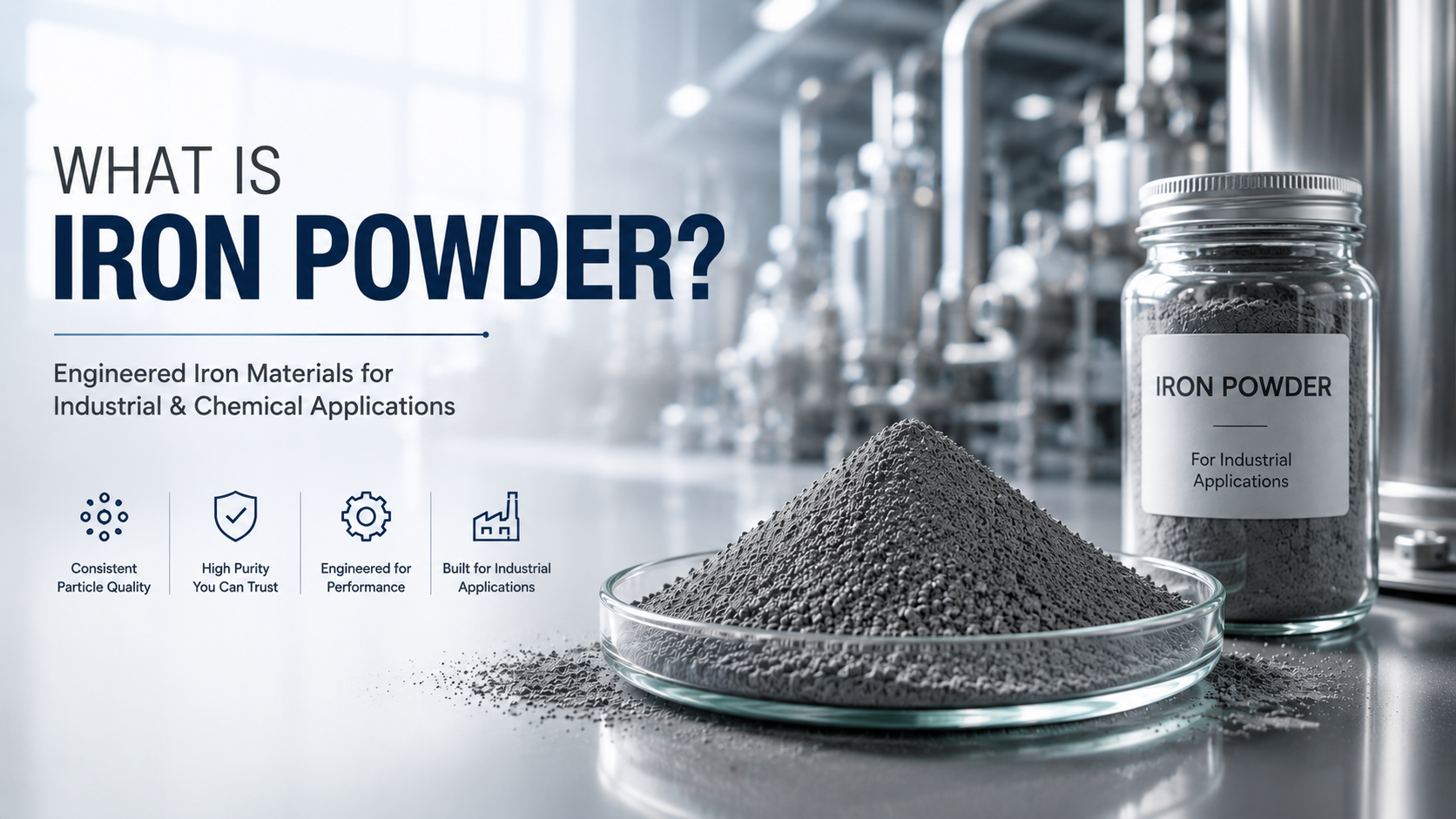
Understanding Iron Powders Used in Chemical & Industrial Applications   ???? Introduction Industrial iron powders are specialized iron materials used across a wide range of manufacturing, engineering, chemical, and process-oriented applications. Unlike finished metal components, iron powders are engineered particulate materials designed to support: Controlled processing behavior  Thermal integration  Structural
Read More »

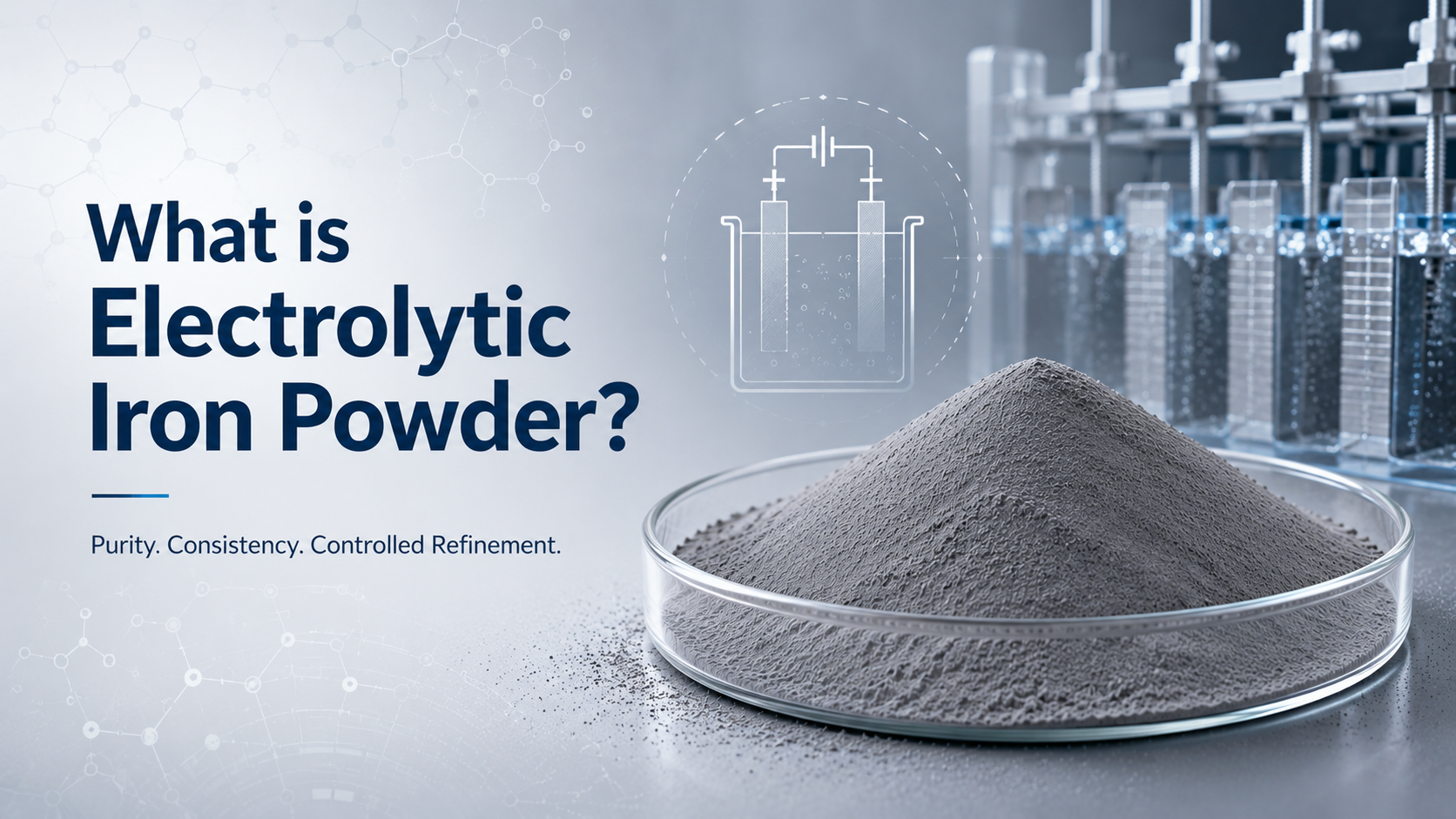
Understanding the Manufacturing Process, Purity, and Material Characteristics ???? Introduction Electrolytic iron powder is a high-purity form of iron produced through an electrochemical refining process known as electrolytic refinement. Unlike conventional ore-based reduction methods, electrolytic refinement separates iron from impurities at a fundamental level, resulting in iron powder with controlled

Read More »

Understanding the Importance of Iron in Nutritional Systems   ???? Introduction Iron is one of the most important micronutrients used in human nutrition systems and nutritional formulations. It is widely incorporated into: Dietary supplements  Nutritional premixes  Wellness products  Nutraceutical formulations  Functional nutrition systems  Because iron participates in multiple biological and

Read More »

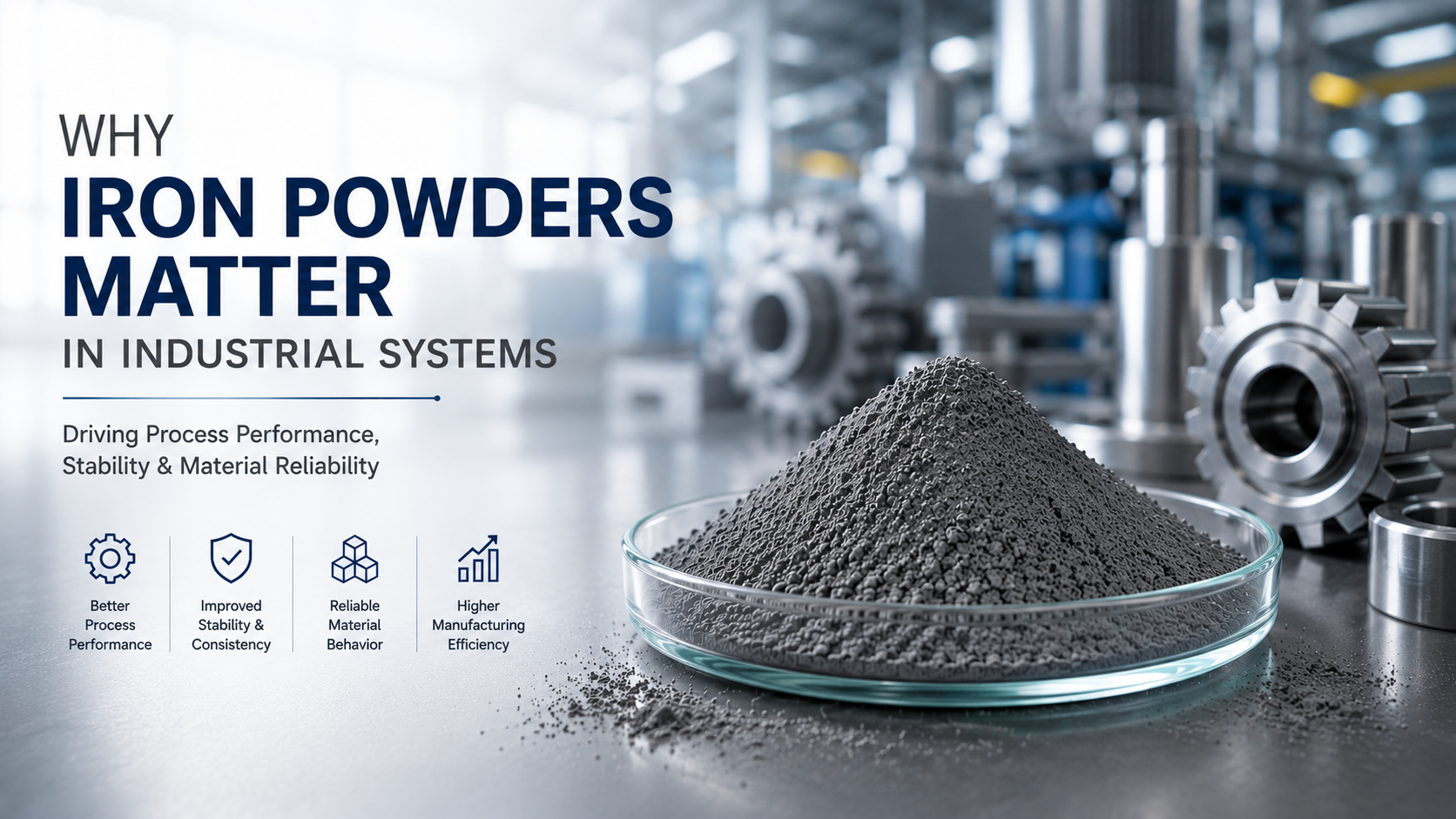
Understanding Process Performance, Stability & Material Behavior   ???? Introduction Iron powders play an important role in modern industrial systems because they support precision manufacturing, controlled processing behavior, material engineering, and large-scale industrial integration. Across many technical industries, iron powders are used in applications requiring: Controlled particle behavior  Stable thermal

Read More »

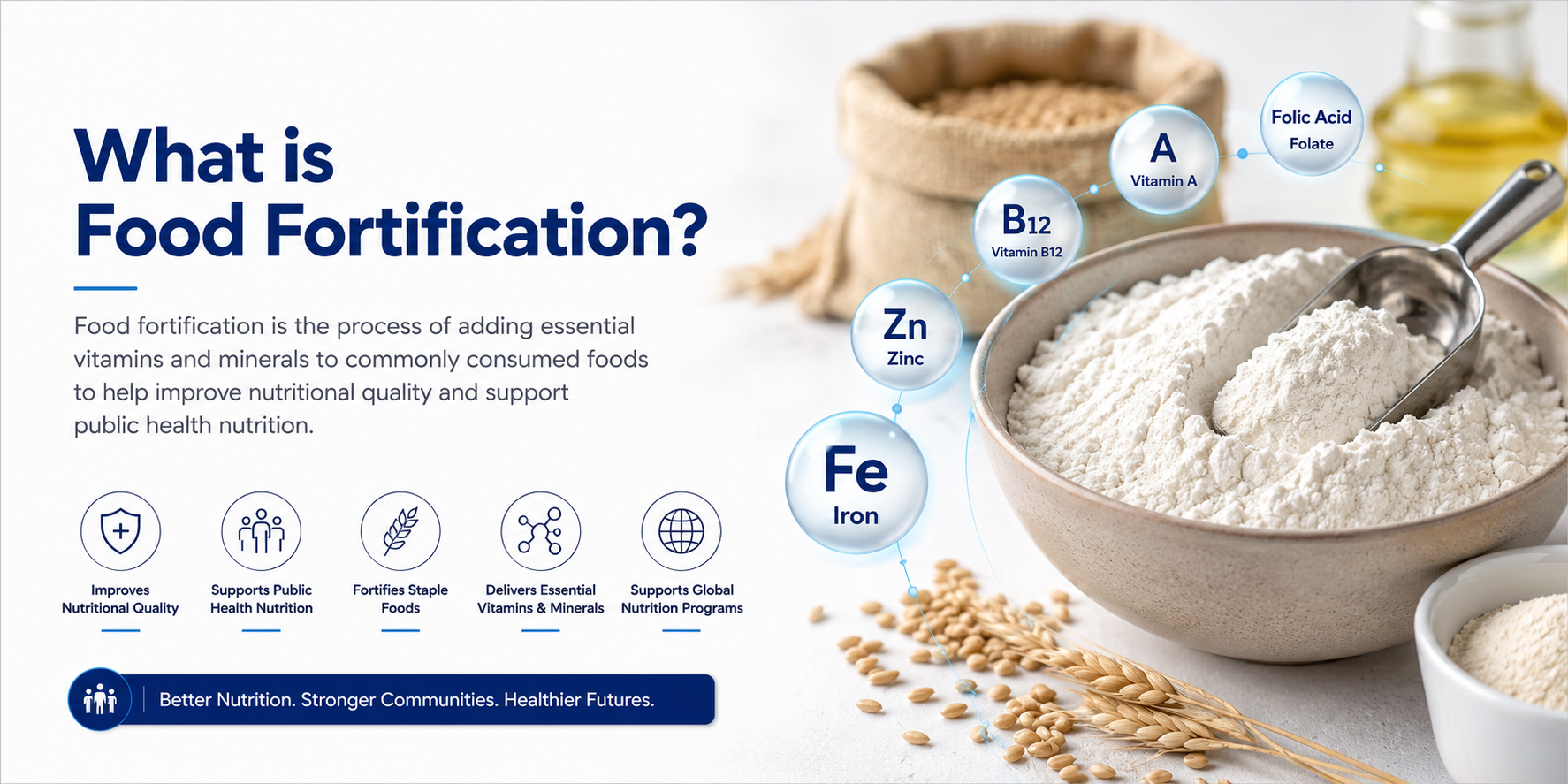
Understanding the Role of Nutrient Enrichment in Modern Food Systems   ???? Introduction Food fortification is the process of adding essential vitamins and minerals to food products to help improve nutritional quality and support public health nutrition. Fortification is widely used across global food systems to address micronutrient deficiencies and

Read More »

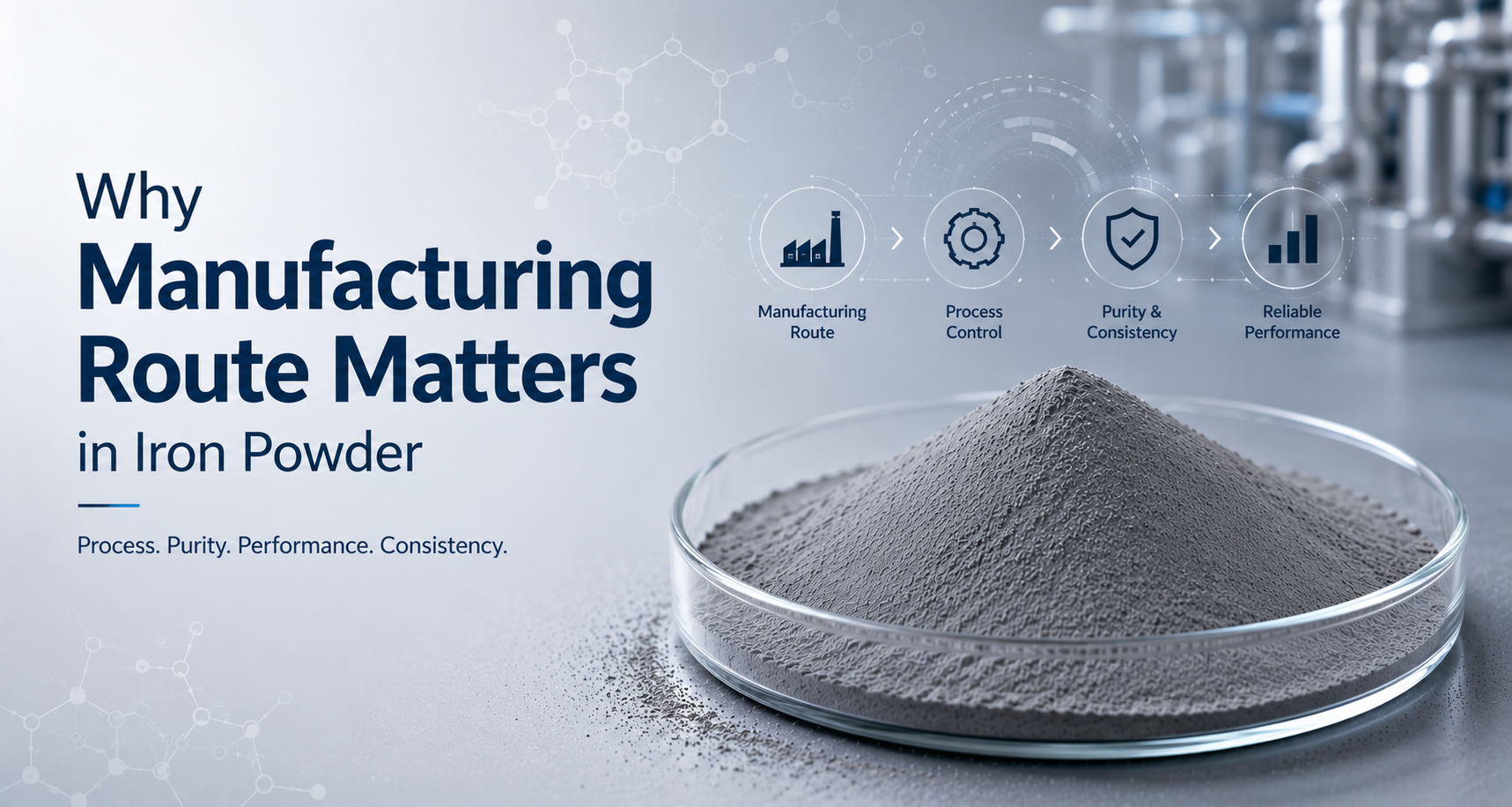
This article is extremely important because it subtly explains: why all iron powders are not the same  why process matters  why refinement matters  why consistency matters  without sounding aggressive or competitor-focused. This article should position Serena Nutrition as: technically mature  process-oriented  manufacturing-driven    Why Manufacturing Route Matters in Iron Powder

Read More »

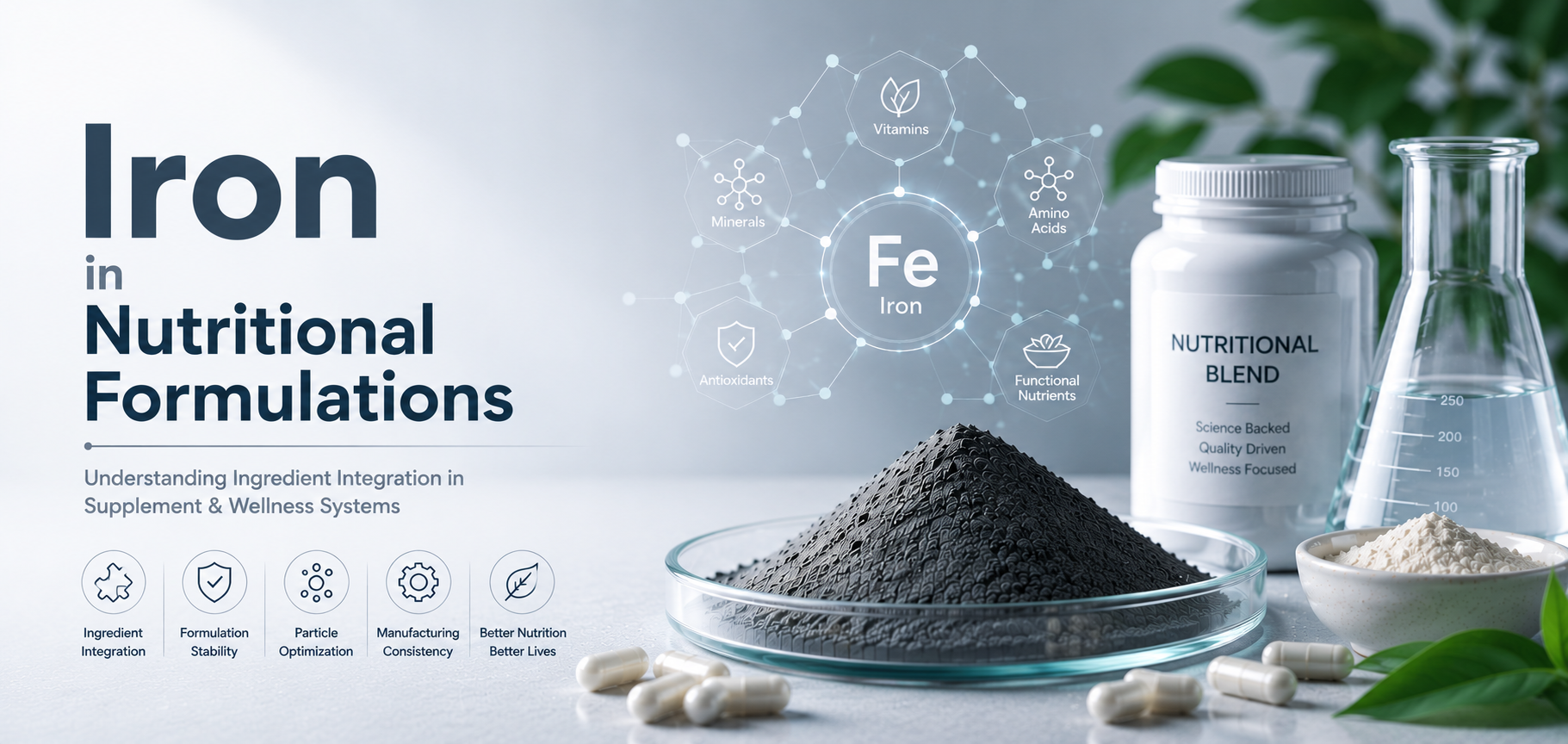
Understanding Ingredient Integration in Supplement & Wellness Systems   ???? Introduction Nutritional formulations are designed to combine vitamins, minerals, and functional ingredients into stable and reliable product systems. Iron is widely used in nutritional formulations involving: Dietary supplements  Nutritional powders  Wellness products  Nutraceutical systems  Vitamin and mineral blends  Functional nutrition

Read More »

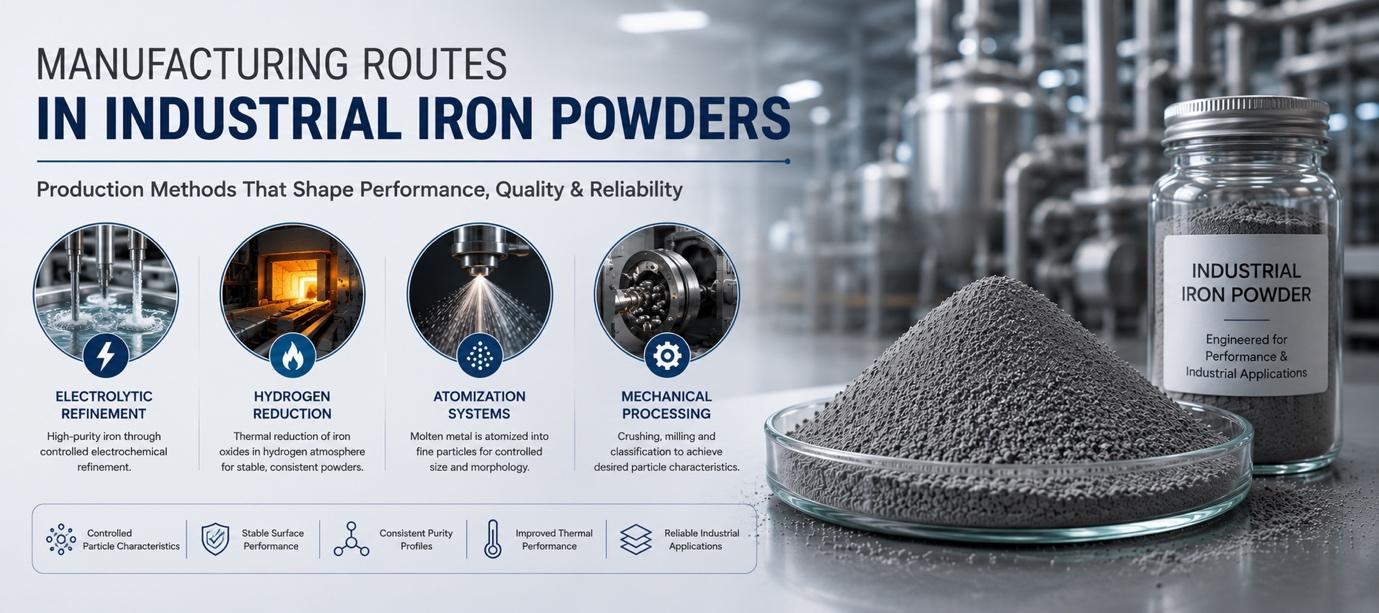
Understanding How Production Methods Influence Industrial Applications   ???? Introduction Industrial iron powders can be manufactured through several production routes, each influencing particle characteristics, purity profiles, surface behavior, and industrial processing performance in different ways. Manufacturing route is one of the most important factors affecting: Particle morphology  Surface stability  Compressibility 

Read More »

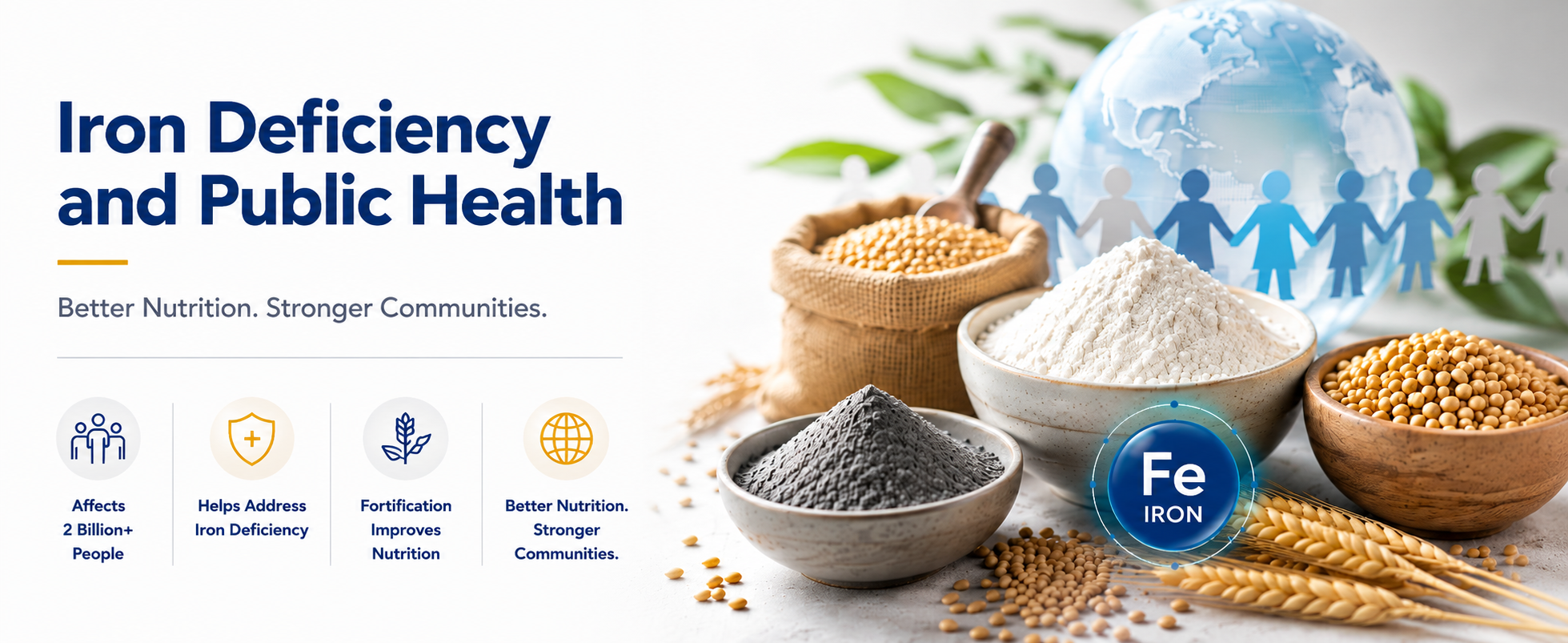
???? Introduction Iron is one of the most important essential minerals required for normal physiological function and nutritional well-being. Despite the availability of food systems across many regions, iron deficiency continues to remain one of the most common micronutrient deficiencies worldwide. For this reason, iron nutrition and food fortification programs

Read More »

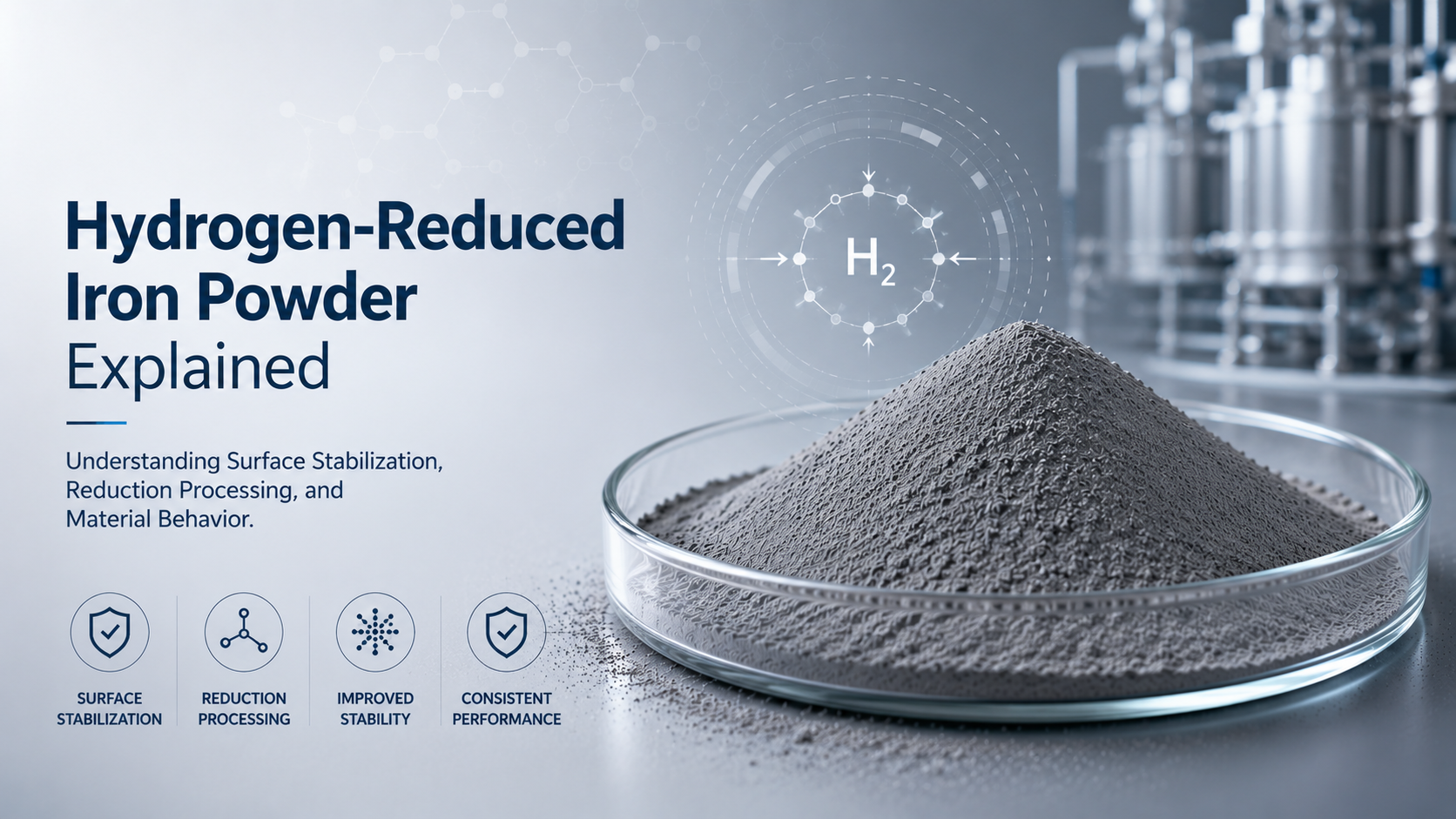
Understanding Surface Stabilization, Reduction Processing, and Material Behavior ???? Introduction Hydrogen-reduced iron powder is produced by applying a controlled hydrogen reduction process to refined iron powder under elevated temperature conditions. This process is used to improve surface condition, reduce residual surface oxides, and enhance material stability and consistency. Hydrogen reduction

Read More »